
News from Sekoia
digital care planning
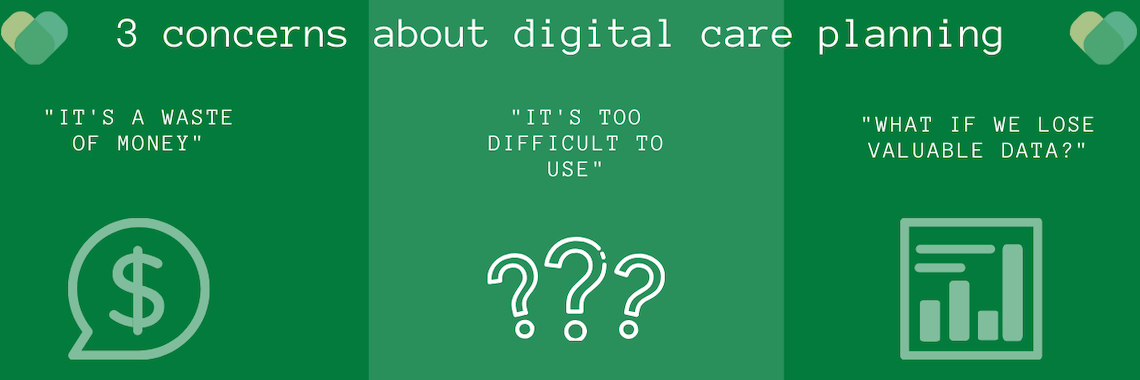
Digital tech is often portrayed (by both suppliers and media) as a silver bullet in society. New fancy gadgets that promise to make you more efficient without any apparent drawbacks. The care sector is no different. Naturally, that creates apprehension for some - here we try to tackle some of the most common ones we hear.
Health Plus Care Conference (Quick Tips)
Every year, the Health Plus Care conference in London is one of the most anticipated care sector events in the UK. As veterans of exhibiting at the event, we have gathered a couple of tips to make sure you get the most out of the conference.
AND the well-being of staff and service users
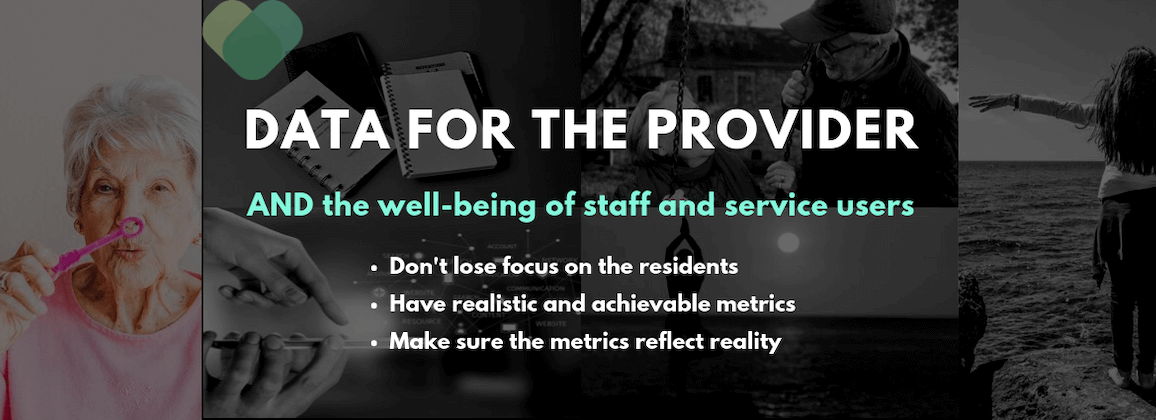
In the care sector, there is an increasing focus on providers documenting the level of care they provide. As the number of recordings increases so does the potential amount of data. At face value, that’s a good thing because it enables both management and staff to make decisions based on facts and not guesses and maybes. The premise of creating an objective basis for decision-making is often one of the fundamental motivations when going digital.
Every field, whether in the public or private sector, deals with documentation. Administrative protocols such as filling out paperwork ensures minimal risks and protects against potential lawsuits and complaints. Social care is no exception.
Holmes Care Group operates 11 services across the UK, one of them being Craigielea Care Centre in Renfrew. This prize winning home is now implementing digital care planning to gain full transparency into each resident’s care plan and changes in their condition, which makes documenting care easier and helps to ensure they are staying compliant.
decision-making in a care home
Every day managers are facing many decisions. Some easier than others. Digitalisation has the potential to greatly help the process by providing pieces of information that might not be available in a more paper-based care home.
double burden for care homes
Understanding how the current paper-based routines look at any given care home, makes us wonder what this is all about. How so much time has come to be allocated to documentation has its reasons and own course. Meanwhile, a lot of time is consumed producing more negativity and constraints than promoting actually improved care outcomes.
digital for quality improvements
In both Sweden and Denmark charities such as the Mary Homes and Stora Sköndal have made the switch from paper documentation to digital care planning. Using their data for both quality and efficiency enhancements makes their services more personalised, building on their respective beliefs and organisational visions.
in your care service
While it is a lawful requirement to provide documentation for the care you provide in your care service or nursing home, this documentation can be used as more than just evidence of the actions you have taken. Naturally, the importance of documentation in healthcare or in aged care facilities will always be important, so the potential for using the documentation more proactively comes from the way your entire organisation is set up to deal with the documentation. Is it done strictly as a way of covering your back only due to lawful requirements?